Time, I still pray to you
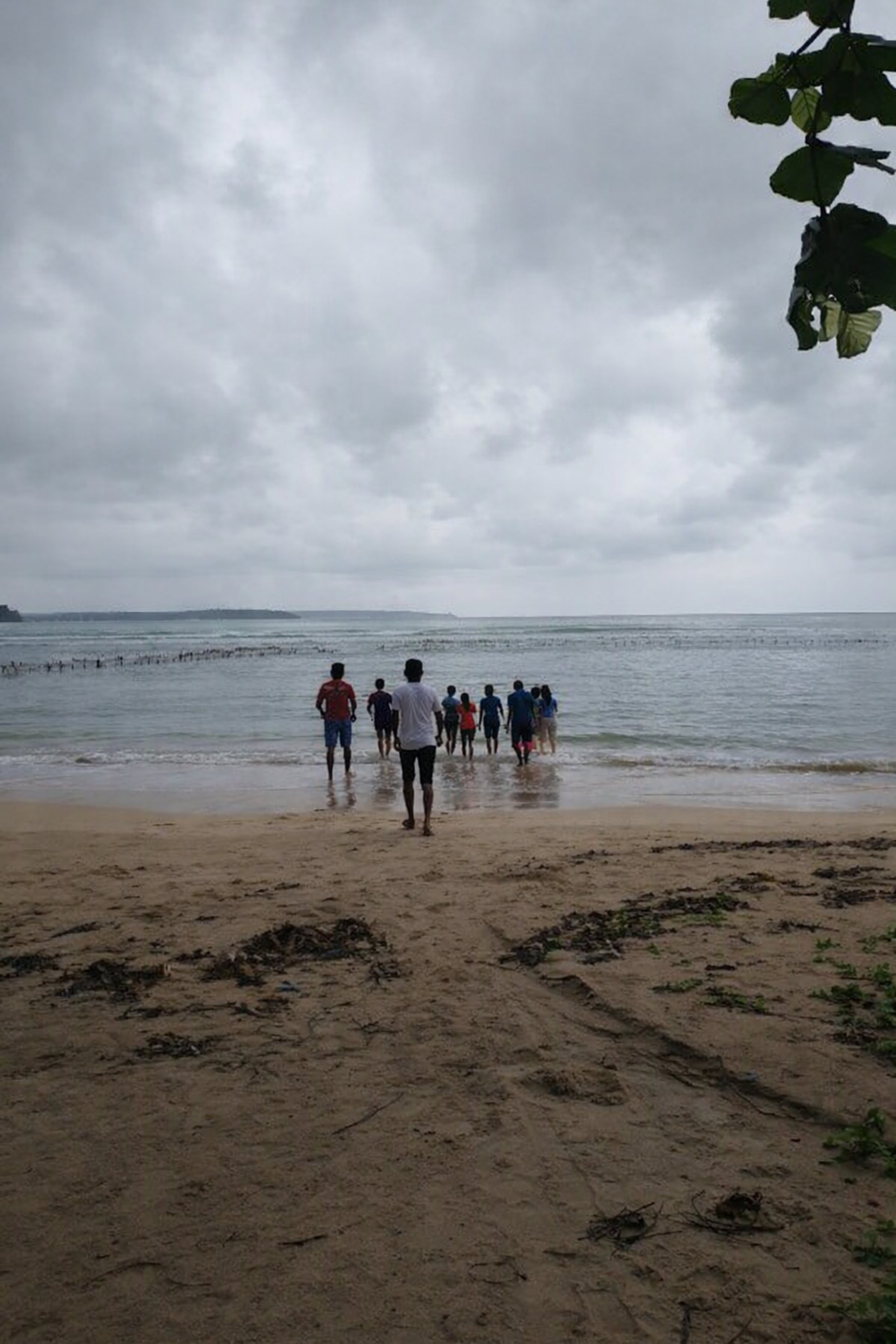
By the lip of the sea
I stood bare.
Across the shore
shells glimmered in colour;
the salt-laden wind passed on,
loneliness slung on its shoulder—
as if the ballad
had just ended.
Time, I still pray—
tear down this gilded cage
of ink-stained sceptres of rule;
carry the pain of birth
back beyond its beginning.
My palms were crowded
with the stained breath of hurried days,
with urgent news of death
dangling from a city bus—
as though every tree,
denied its flowers,
bore the dead.
Time, I still pray to you—
bring light to the pleading face
of the dead spring;
erase the death warrants of poets
nailed along the roads of life.
I kept walking.
Sand-hills rose again and again.
I kept walking.
A solitary traveller froze
at the edge of the sky.
And
in my beloved’s eyes I searched for water,
for the promise of an oasis—
as if every gaze
could give birth to a river,
and along its rims
immense valleys might unfold.
Time, I still pray to you—
with every step,
with every imprint of the foot,
wash away the blood,
wash away the caked blood,
wash away the crimes of history,
wash away the myths,
the masks,
the disguises we named truth.
When I return home,
dusk will be there,
bearing on its shoulders
the book of reckoning.
Inside it
I will fall asleep—
as though between letters
the secrets of the ailing body
come to rest.
Time, I still pray—
do not awaken silence,
do not summon festive songs,
do not drape garments
on gallery walls.
When I rise onto the pyre,
grey, bodiless forms will rise
from every grave.
Pointing at each tree,
they will speak of God—
as if love had just begun.
Time, I still pray—
send this grieving message
to every living soul:
nakedness
held up to the light.
________________________________
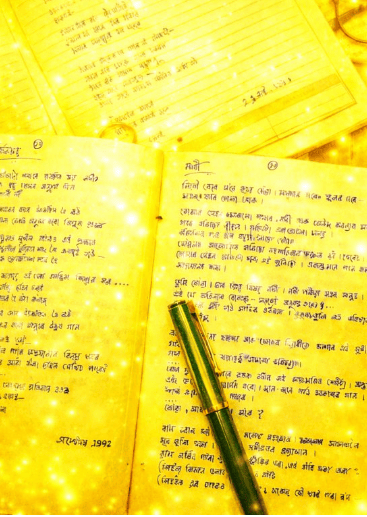
1 November 1992
First published: Prantik, December 1992
Editor’s Note
Time, I Still Pray to You is a supplication that refuses consolation. Time is addressed not as abstraction but as moral witness—one that has seen violence, stripped bodies, and the persistence of beauty alongside brutality. Set along a shoreline, the poem stages exposure rather than innocence: the self stands undefended before history and judgment.
The repeated prayer seeks not repair but erasure—of inherited myths, aesthetic disguises, and cultural bureaucracies that distance suffering. Ordinary life collides with images of death, revealing a world where violence has become routine and symbols of comfort turn accusatory.
Movement becomes burdened walking, carrying history and memory without promise of arrival. Even moments of hope remain conditional. The poem ultimately demands recognition rather than redemption: a clear-eyed seeing of nakedness without metaphor or adornment. Time is invoked to expose what humanity has refused to face.
Select language
© 2026. All rights reserved.




Reach out for questions & collaboration
+91-9954060665